
PandaGo
The company aimed to transition combustion-based fleets to electric vehicles. As the designer for the Logistics Squad, I collaborated closely with operations teams and maintained constant communication with service providers, vehicle suppliers and clients to facilitate the challenging transition process.
Project: Service Provider Garage App
The company identified a crucial need for service providers — garages responsible for addressing issues within client vehicle fleets. These providers required a digital platform to input information, dedicated time, potential delays, and state changes encountered during their workflow. Guiding a team of six developers, one product manager, and one product designer, I led the end-to-end process resulting in a 60% increase in usage and significant reduction in task completion time.
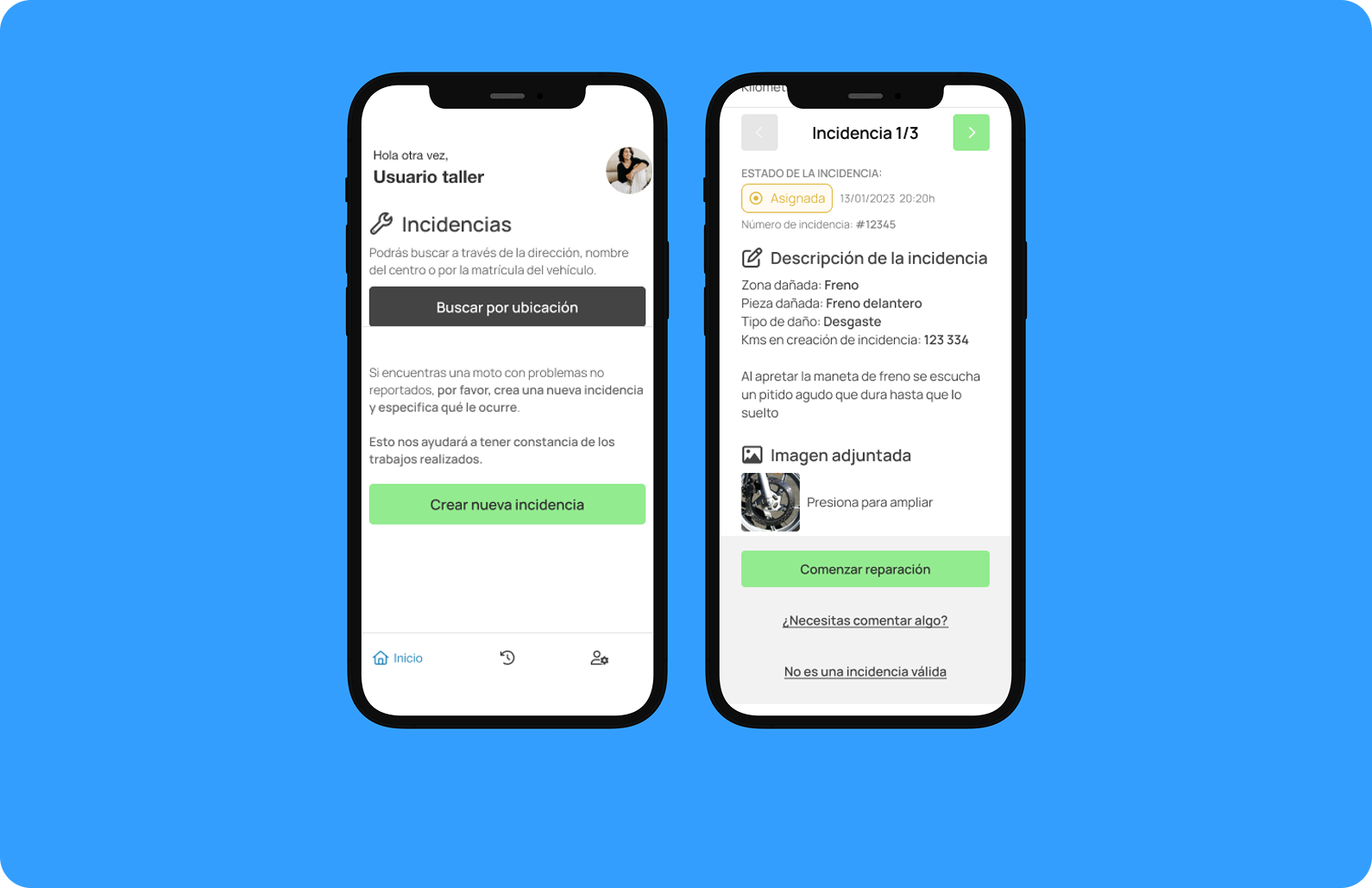
Users refuse to interact with the platform because of usability problems.
The project began with a platform facing usability challenges, lacking a structured design, and failing to provide users with an efficient task completion process. This resulted in user hesitation to engage with the platform, causing a shortage of information for our team and causing delays in their daily work. The platform was developed without adhering to any standardization process, leading to an overly complex and bewildering user experience.
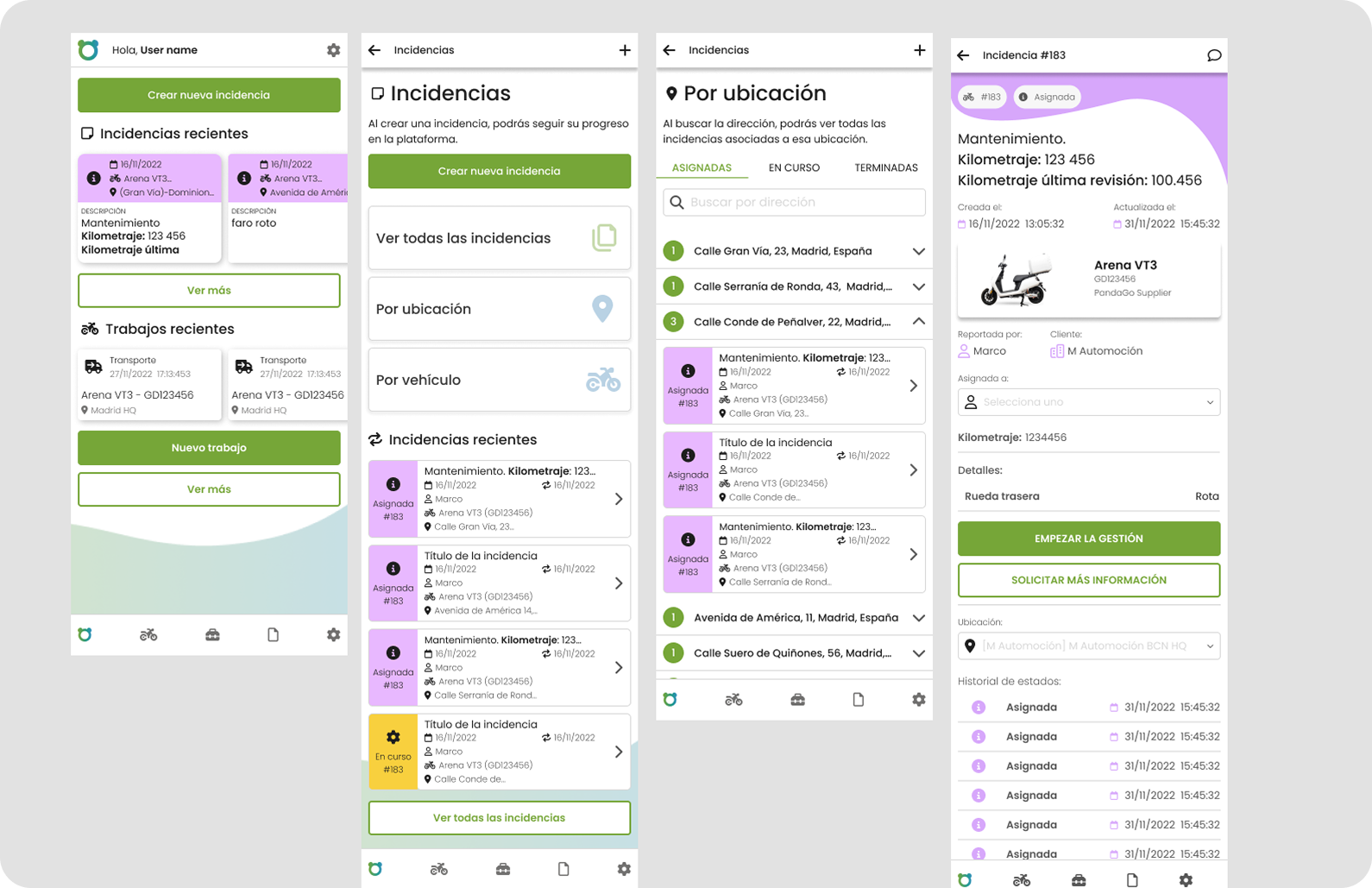
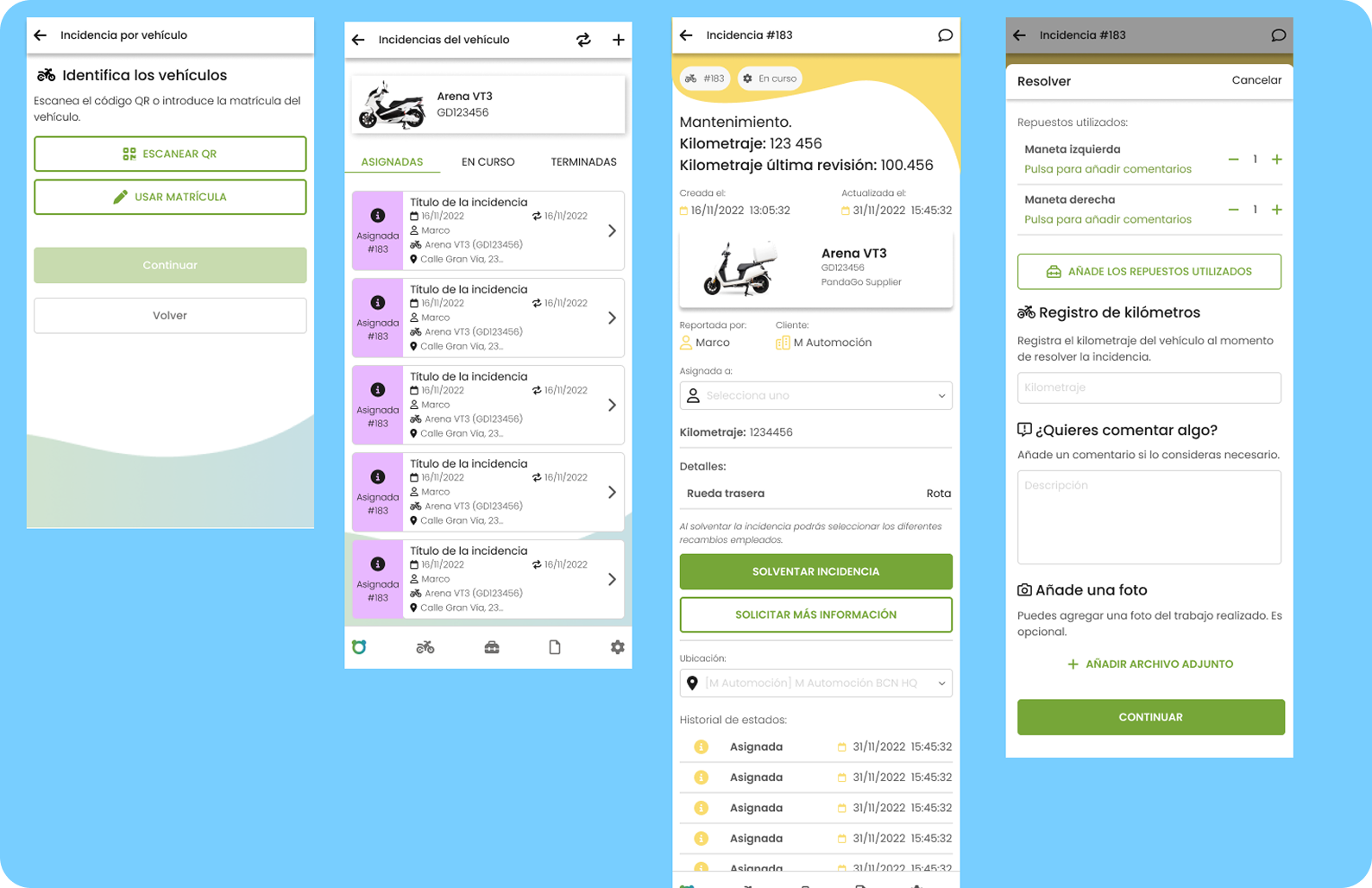
Our goal: develop a user-friendly mobile platform for seamless garage user experience.
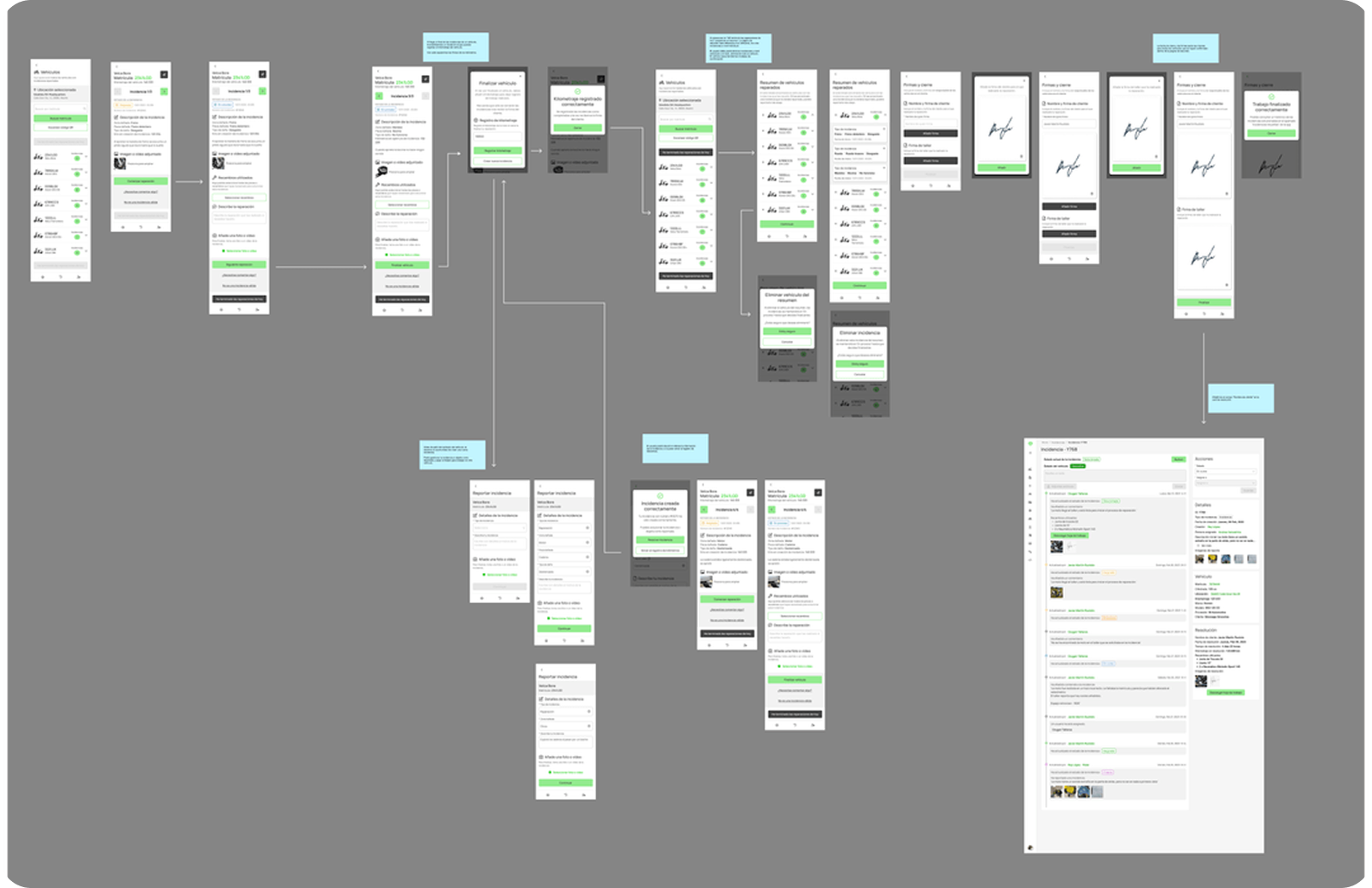
In alignment with the current application content and business requirements, we meticulously outlined various flows and use cases. Key stakeholders including operations, finance, garages, and partners provided insights during these sessions. The proposed flows underwent validation in individual sessions, where we walked through each step, elucidating the ultimate objectives and insights derived from the process.
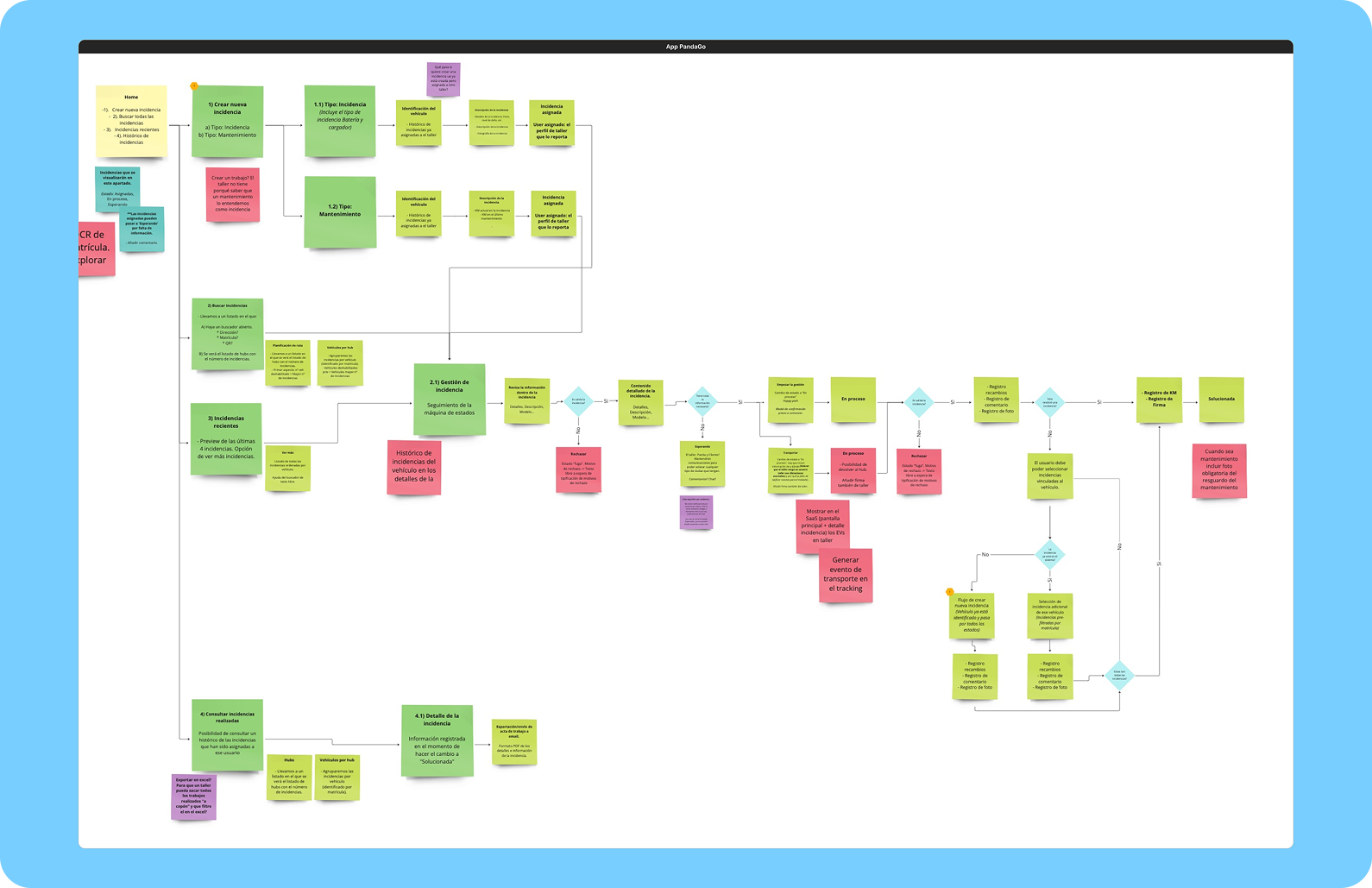
Following the validation of the proposed flows, we swiftly transitioned into the design phase. We furnished the developing UI Kit with specific use cases and components derived from the interactions. The platform underwent testing with the same users involved in crafting the different flows. Figma's high-fidelity prototype facilitated live and offline testing, allowing users flexibility to provide feedback in their preferred manner.
Access to Figma Prototype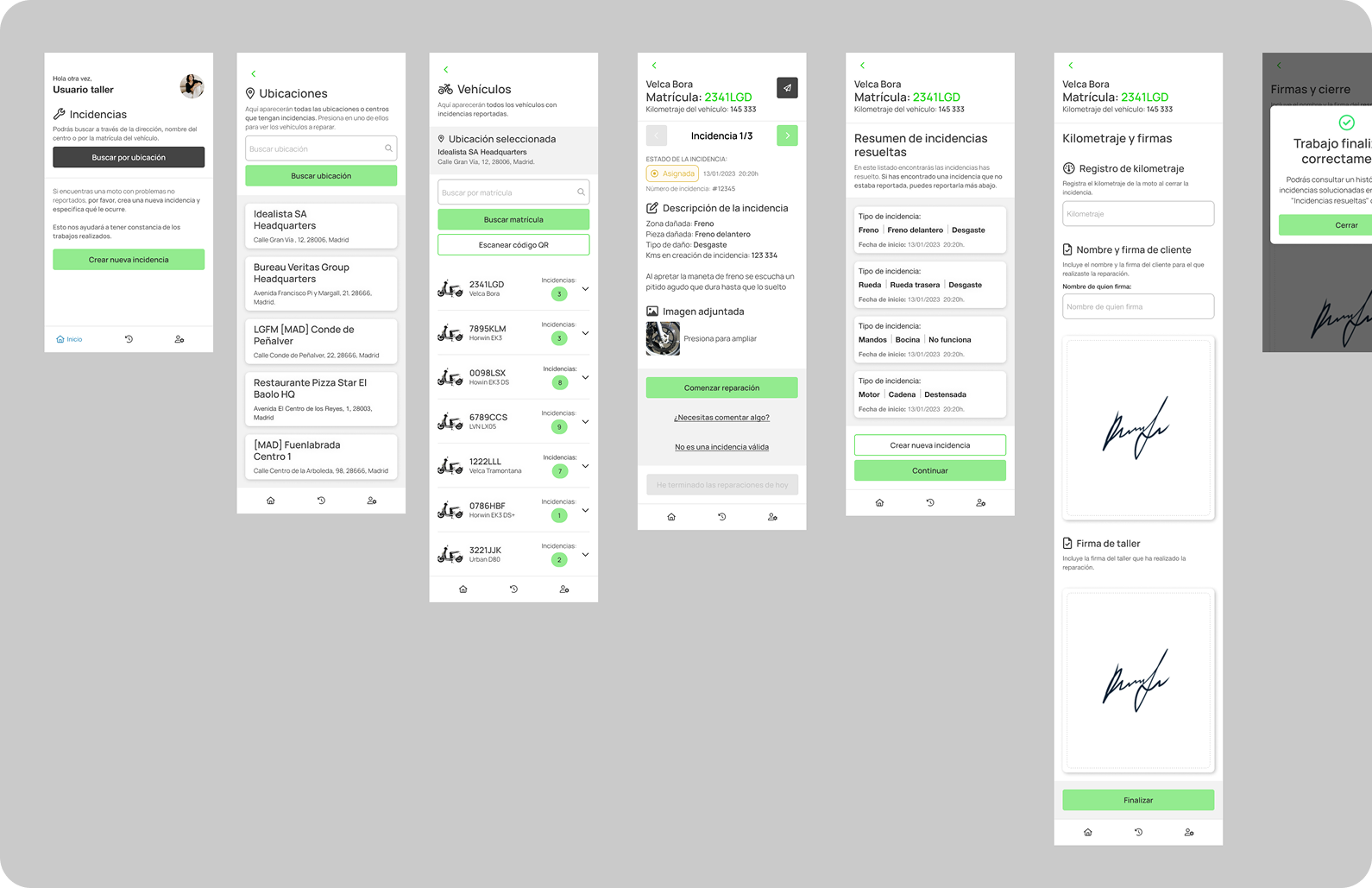
We reached a 60% increase in usage and 3 days of saved time in the process.
After the platform launch, we allocated a month for limited user usage. Throughout this period, we scheduled regular check-in calls with users and established a point of contact with our customer success team for reporting bugs or discrepancies. Based on feedback, we swiftly implemented two quick iterations in subsequent sprints. Overall, we achieved a remarkable 60% increase in the number of Garages voluntarily using the platform while reducing issue resolution time from 10 days to 7 days within the first month.
Reflection: team work makes the world function.
Throughout this project, I emphasized the significance of engaging passionate developers right from the project's inception. Keeping them informed about user opinions and feedback, and incorporating their ideas into proposed designs had a profound impact on the team's happiness and overall commitment. This approach fostered a cohesive team that was deeply involved in the project, making setbacks more manageable.